Self DevelopmentS
Continue reading...

Emotional Intelligence 2.0 treats a score as the start, not the...
Emotional Intelligence 2.0, by Travis Bradberry and Jean Greaves, opens with a scored self-check before any exercise. We look at why starting there works,...

Why a Phone on the Table Makes the Whole Room Dumber
A visible phone lowers fluid intelligence, task-switching more than doubles your time, and scrolling is not a break. The biology of attention, explained.

Why We Choke, and the Skill That Makes Us Unshakable
Choking comes from imagining how good it could go. Here's what actually builds a decade of composure: a steep morning, a soft night, and...

The Power of Habit
We’ve all been there. The New Year’s resolution to exercise every day that fizzles out by February. The vow to start a new productive...

The One Thing
Do you ever find yourself drowning in a sea of to-do lists, deadlines, and notifications? You’re constantly busy, your calendar a chaotic mosaic of...

The 5 AM Club
We all know the feeling: the day ends, and we feel overwhelmed, constantly busy yet unproductive, wishing for more hours. In a world of...
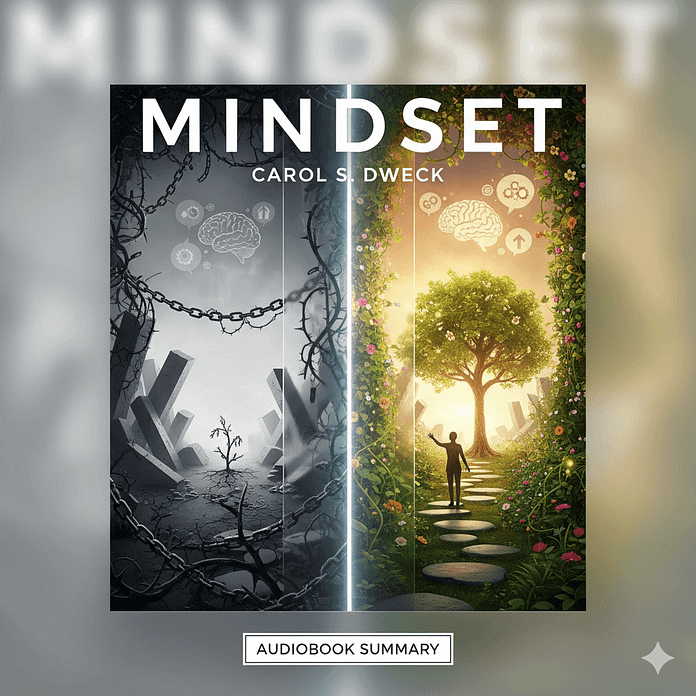
Mindset
Reveals how established attitudes affect all aspects of one's life, explains the differences between fixed and growth mindsets, and stresses the need to be...
More to explore
A few more from across Peruze, picked at random.

The Innovator’s Dilemma
In his groundbreaking book, _The Innovator's Dilemma_, Harvard professor Clayton M. Christensen argues that for these and many other fallen industry leaders, the cause of failure was not bad management, but _good_ management. His research shows that the very practices that make companies successful can also sow the seeds of their demise when faced with a certain type of technological change.

The deal’s job ends the moment we say yes: Cialdini’s Influence
Robert Cialdini's Influence explains why an inducement can vanish and a commitment still holds: once we decide, our minds invent fresh reasons for the choice, and those outlast the price that caused it.

Rich Dad Poor Dad
For generations, the path to a good life seemed clear and well-defined. The advice was simple: "Go to school, get good grades, and find a safe, secure job." This was the master plan our parents and grandparents followed, the bedrock of financial stability. But does that advice still hold true in a world of rapid change, where job security, pensions, and corporate loyalty seem like relics of a bygone era?